
Currituck Dune Repair Rules After the Nor'easter

In this post
Currituck Dune Repair Rules After the Nor’easter
Currituck County released its post-storm guidance on Oct. 14, and the short version is that the sand in front of your house is not yours to move yet.
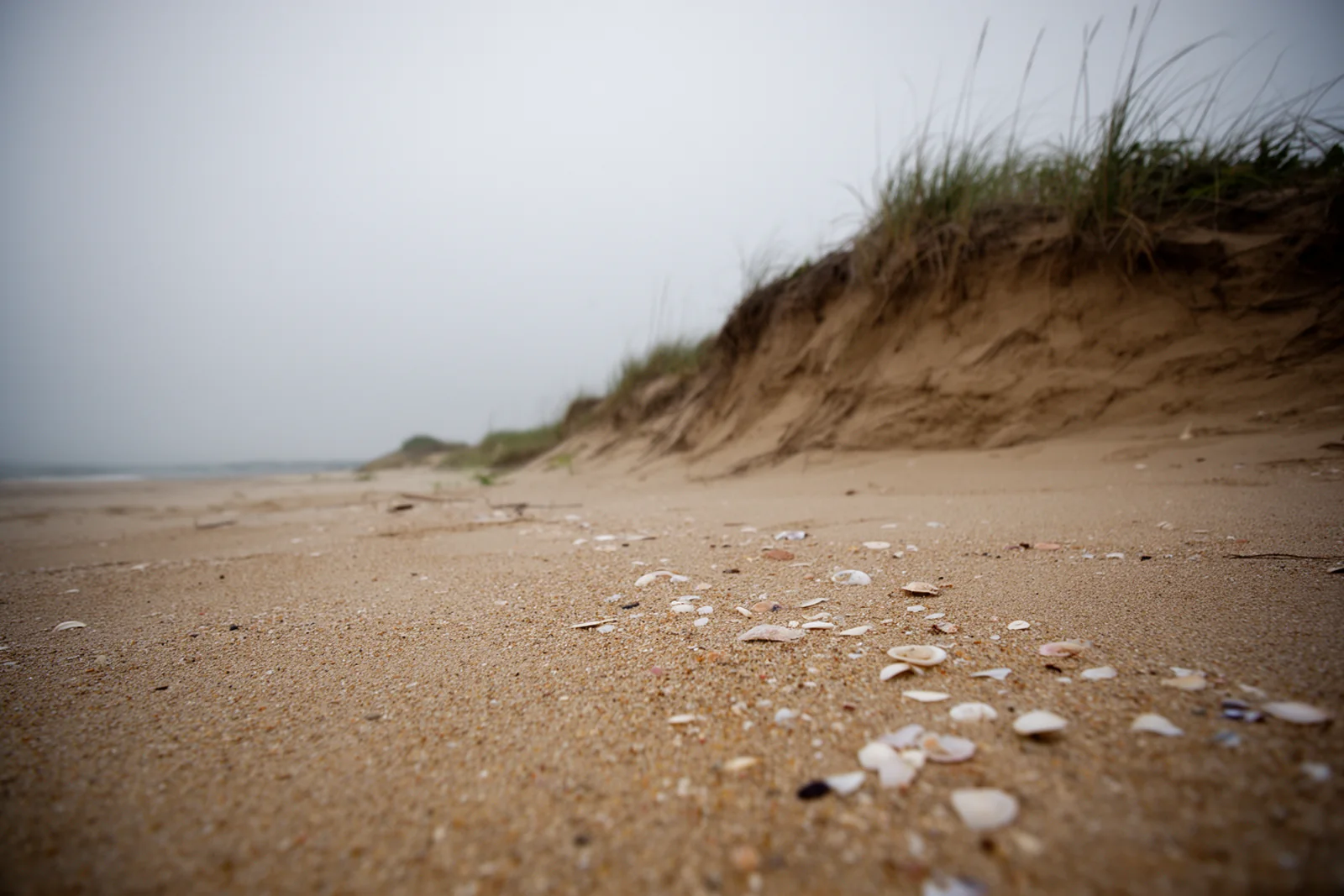
The recent nor’easter cut into the oceanfront dune system. The county describes the damage as significant in places. Dunes are cut back, and in spots the scarp, the steep edge where sand has failed, stands several feet above the beach. Currituck is working with the state Division of Coastal Management and federal agencies on what can be rebuilt and how.
On a beach where the sand is also the road, this is not a yard problem. The dune is the house’s first line of defense, and in places the only one.
What the county will allow
Two approaches exist. Owners can move sand that is already on the beach, or bring in compatible sand, or combine the two. Both need permits. Whether either works depends on the site: sand volume, compatibility, slope rules, available space, and environmental limits.
The 20 foot line
Homes that erosion is about to reach may qualify for the beach bulldozing exemption under 15A NCAC 07K .0103(b). The county’s working measure is distance from the erosion scarp. When the foundation or the associated septic system sits less than 20 feet from that edge, the home is generally treated as imminently threatened.
That number is a starting point, not a verdict. Homes farther back, or on a flat beach with no clear scarp, can still qualify on accelerated erosion or beach profile. The county also lists what does not qualify. A swimming pool gains nothing from the exemption. Neither does a dune deck or a structural beach accessway, however damaged.
For a buyer, the septic detail matters. North of the pavement the drain field often decides what can be built, and now it also helps decide whether sand goes back on the beach.
The clock
Beach bulldozing is generally barred from April 1 through Nov. 15 under the sea turtle nesting moratorium. From today that window closes in 26 days. Work before then needs extra coordination, and the county can ask the state to consult the wildlife agencies about relief.
Sand placement is not covered by the moratorium. It still needs its permits.
What did not happen
The county asked the state to activate the Emergency General Permit under 15A NCAC 07H .2500, a broader path for storm damage. The state has not indicated it will. No county cost-share or nourishment has been announced, and the county is direct that review can change the work or add requirements. Approval is not guaranteed.
What this means for buyers and sellers
If you own oceanfront here, expect a buyer’s inspector to walk the scarp and photograph it. If you are buying, ask the county what it will allow before you count the dune as rebuildable. The line is Planning and Inspections at 252-232-3055, or ccpz@currituckcountync.gov. Staff ask owners to say whether they plan to shift sand already on the beach or import any, and to bring photographs of current conditions.
One more thing worth saying plainly: this is permitting guidance, not a repair program. It tells owners which door to knock on, and it does not pay for the work.
Sources and assumptions
Permit details come from Currituck County’s guidance released Oct. 14, 2026, also carried by The Outer Banks Voice on Oct. 15. The 20 foot measure is the county’s own description, not a bright line. No funding figure or repair schedule has been published, and none is claimed here. This is the informed read of an automated system, not legal advice; confirm any plan with the county and the state coastal division.
Keep reading
Currituck Puts Quarter-Cent Sales Tax on November Ballot
Currituck County is making its case for a quarter-cent sales tax on the Nov. 3 ballot, from 6.75% to 7%. What the vote means for property owners.
Currituck County Has No Towns. That Changes Four Things.
Zero incorporated municipalities is not trivia. It changes your tax bill, your permitting, your USDA eligibility, and how you read a listing.
The Moyock Commute, Measured in Minutes
Currituck's mean commute is 35.5 minutes against a North Carolina average of 25.1. That gap is roughly two working weeks a year spent in a car.